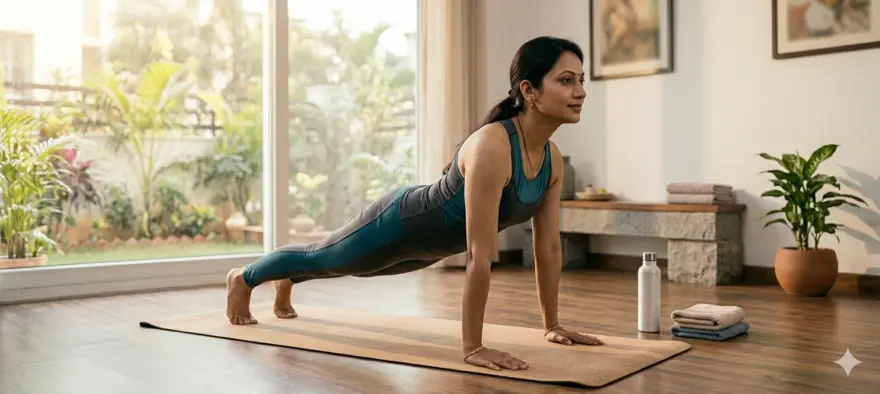
Maintaining a healthy body requires a combination of movement, consistency, and balance. Many individuals focus only on intense workouts, but sustainable results often come from practices that support both physical activity and mental stability. Yoga offers a structured approach that connects movement with breathing, making it easier to stay consistent.
Unlike high-intensity routines, yoga works gradually by improving flexibility, strengthening muscles, and supporting metabolism. Over time, this approach contributes to better body control and overall health.
How Yoga Supports Weight Management
Yoga does not rely on fast results. Instead, it focuses on steady improvement through controlled movements and breathing techniques.
Key Factors That Support Weight Management
- Improves body awareness
- Enhances muscle strength
- Supports digestion
- Encourages consistency
- Reduces unhealthy habits
These elements work together to create a balanced approach to fitness.
Connection Between Mind and Body
One of the key benefits of yoga is the connection it creates between mental focus and physical movement.
How This Connection Helps
- Improves concentration during exercise
- Reduces stress-related eating
- Encourages mindful habits
- Supports emotional balance
A stable mindset plays an important role in maintaining long-term results.
Role of Structured Practice in Daily Routine
Building a routine is essential for achieving noticeable results. Yoga allows flexibility in scheduling and can be adapted to different fitness levels.
In the middle of your daily fitness plan, practicing Yoga For Weightloss helps create a consistent structure that balances physical activity with mental clarity. This approach ensures gradual progress without overwhelming the body.
Effective Yoga Movements for Beginners
Stretch-Based Movements
These improve flexibility and prepare the body for more advanced practices.
Balance-Focused Positions
Help strengthen core muscles and improve coordination.
Strength-Building Postures
Support muscle development and improve overall endurance.
Breathing Techniques and Their Importance
Breathing is a key element in yoga practice. It supports movement and enhances overall effectiveness.
Benefits of Controlled Breathing
- Improves oxygen flow
- Enhances focus
- Supports metabolism
- Reduces fatigue
Proper breathing helps maintain rhythm during practice.
Creating a Weekly Yoga Plan
Day 1–2: Basic Movements
Focus on simple stretches and breathing.
Day 3–4: Strength and Balance
Introduce moderate intensity postures.
Day 5–6: Combined Practice
Mix stretching, strength, and breathing techniques.
Day 7: Recovery
Allow the body to rest and recover.
This structured approach helps maintain consistency and prevents burnout.
Lifestyle Factors That Support Results
Yoga works best when combined with supportive habits.
Supporting Habits
- Balanced diet
- Proper hydration
- Adequate sleep
- Regular movement
These factors enhance the effectiveness of your practice.
Progress You Can Expect Over Time
Physical Improvements
- Increased flexibility
- Better posture
- Improved strength
Mental Improvements
- Better focus
- Reduced stress
- Improved discipline
These changes develop gradually with regular practice.
Ending Your Practice with Awareness
The final phase of your session is important for recovery and relaxation.
Before concluding your routine, practicing gentle stretching and observing your breathing helps reinforce the benefits of Asanas and allows your body to relax fully. This step ensures that the effects of your session continue beyond practice time.
Conclusion
Yoga provides a balanced approach to weight management by combining movement, breathing, and mental focus. It supports gradual progress and helps maintain long-term results without placing excessive strain on the body. With consistency and proper technique, yoga can become an effective part of a healthy lifestyle.
FAQs
Can yoga help with weight loss?
Yes, regular practice can support weight management by improving metabolism and activity levels.
How often should I practice yoga?
Practicing 4–6 days a week can provide consistent results.
Are yoga poses suitable for beginners?
Yes, many basic movements are designed specifically for beginners.
Do I need equipment for yoga?
A simple mat is enough to start practicing.
How long does it take to see results?
Results vary, but consistent practice over a few weeks shows noticeable improvement.