

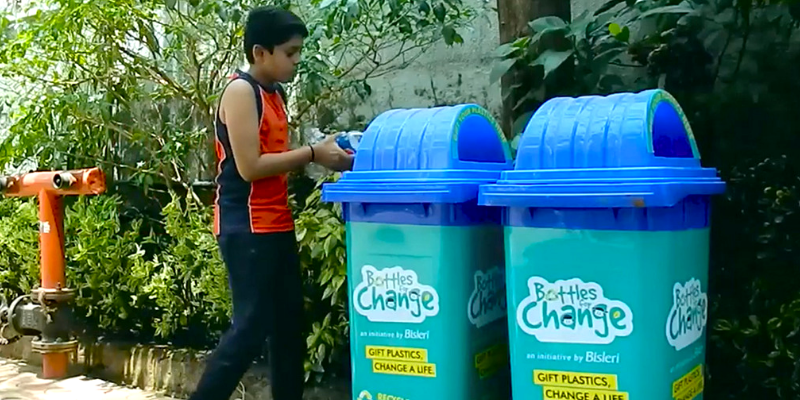
Low-density polyethylene (LDPE) is a widely used plastic found in products such as grocery bags, food packaging films, shrink wraps, and various flexible containers. Its lightweight, flexible, and durable nature makes it a popular choice for packaging and household applications. However, LDPE contributes significantly to plastic waste if not properly managed. recycle LDPE transforms these commonly discarded materials into reusable products, supporting environmental sustainability and resource conservation.
Understanding LDPE
LDPE is a thermoplastic polymer that can be melted and reformed into new products without significant loss of quality. Its flexibility and chemical resistance make it ideal for packaging applications, but these same properties can make LDPE difficult to recycle through conventional municipal programs. Unlike rigid plastics, LDPE often requires specialized collection and processing systems to ensure it is effectively repurposed.
Recycling LDPE reduces landfill waste, conserves petroleum resources used in plastic production, and lowers greenhouse gas emissions. It also allows manufacturers to produce new materials in a cost-effective and sustainable way, contributing to the circular economy.
Collection and Sorting
Effective LDPE recycling begins with proper collection and sorting. Household and commercial plastic films and bags must be gathered separately from other types of plastic to avoid contamination. Many recycling centers offer drop-off points for plastic bags and films, which are then transported to specialized facilities.
At the recycling facility, LDPE is sorted to remove contaminants such as food residues, adhesives, and non-recyclable plastics. Advanced technologies, including optical sorting and manual inspection, help ensure that only clean LDPE is processed. Proper sorting is crucial for maintaining the quality of the recycled material and enabling its reuse in high-performance applications.
Mechanical Recycling of LDPE
Mechanical recycling is the most common method used for LDPE. Once sorted and cleaned, LDPE materials are shredded into small flakes or pellets. These flakes are then melted and re-extruded into new products. Recycled LDPE can be used in a variety of applications, including plastic bags, liners, packaging films, piping, and construction materials.
Blending recycled LDPE with virgin resin is often necessary to improve strength and durability, particularly for products requiring high performance. Mechanical recycling is cost-effective and scalable, making it a practical solution for handling large volumes of LDPE waste.
Chemical Recycling
Chemical recycling is an emerging approach that breaks down LDPE into its molecular components, allowing it to be converted into fuels, monomers, or raw materials for new plastic production. This method can process contaminated or mixed LDPE that may not be suitable for mechanical recycling.
Although chemical recycling is more energy-intensive and currently more expensive than mechanical methods, it produces high-quality materials comparable to virgin plastics. As technology advances, chemical recycling is expected to play a growing role in creating sustainable solutions for LDPE waste.
Energy Recovery
When recycling is not feasible, LDPE can also be used for energy recovery. Through controlled combustion or gasification, LDPE waste is converted into heat, electricity, or fuel. Energy recovery helps reduce landfill volume while generating renewable energy. Although it does not produce reusable plastics, it serves as a complementary method alongside recycling efforts.
Benefits of LDPE Recycling
Recycling LDPE offers significant environmental and economic advantages. It reduces plastic pollution in landfills and natural environments, conserves non-renewable resources, and lowers carbon emissions. Recycled LDPE provides a cost-effective source of material for manufacturing new products, supporting green manufacturing and sustainable production practices.
Conclusion
Recycling LDPE transforms plastic films, bags, and flexible packaging into valuable, reusable materials. Through mechanical and chemical recycling, as well as energy recovery, LDPE waste is converted into new products while reducing environmental impact. Effective collection, sorting, and processing ensure high-quality recycled material that supports sustainability and promotes the circular economy. By adopting responsible LDPE recycling practices, communities and industries can reduce plastic waste and contribute to a greener, more sustainable future.
